A Comprehensive Overview of the Selmer Supreme Alto Saxophone
Executive Summary
The Henri Selmer Paris Supreme is a professional alto saxophone released in 2021, developed to replace the Reference 54 in the company's product lineup. It represents a significant departure from previous manufacturing platforms, utilizing a completely new bore geometry rather than modifying existing designs like the Series II or Series III. The instrument was engineered over an eight-year research period with the stated goal of creating a "universal" saxophone that addresses the acoustic and mechanical limitations of earlier models. It combines the ergonomic advances of modern manufacturing with acoustic properties intended to bridge the gap between classical and jazz performance requirements.
Mechanically, the Supreme introduces several patented features designed to improve structural integrity and instrument response. A key innovation is the three-point concentric neck receiver, which uses a floating nickel-silver ring to tighten the neck tenon uniformly from all sides. This design replaces the traditional slit-receiver clamping method, aiming to prevent deformation of the tenon and ensure a more consistent air seal. The instrument also features a redesigned C# correction system, which utilizes a gravity-assisted mechanism to lower the pitch of the open C# note without the added weight or spring resistance found in previous correction systems. Additional mechanical updates include a hinged left-hand pinky table for improved facility and the use of Teflon in the octave key sockets to reduce friction and mechanical noise.
Acoustically, the Supreme is defined by its modified internal volume and tone hole placement. Selmer engineers redesigned the bell and neck tapers to improve intonation consistency across the range of the instrument, specifically targeting the transition between registers which has historically been a challenge on the alto saxophone. The bore design is intended to produce a tone that is balanced and flexible, avoiding the specialized resistance of the Series II or the specific brightness of the Series III. The instrument is tuned to A=442 Hz and ships with a specific "Concept" model mouthpiece, indicating its readiness for high-precision performance contexts.
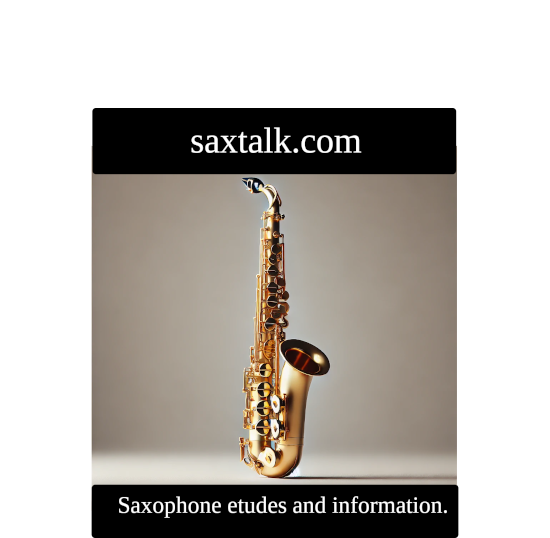
Visually, the instrument is distinguished by specific aesthetic choices that separate it from other Selmer models. The standard finish is a proprietary Dark Gold lacquer, which is darker in hue than the clear lacquer used on standard Series II instruments. The engraving pattern is unique to the Supreme, featuring a mix of geometric cubes and organic floral lines, and extends across the bell and bow. The key touches are made of natural mother-of-pearl, and the instrument includes a synthetic cork on the neck to maintain consistent dimensions over time. The saxophone is sold with a dedicated case developed exclusively for this model.
Market-wise, the Supreme occupies the highest price tier among Selmer's standard production alto saxophones. Its release signaled a consolidation of Selmer's professional offerings, moving away from niche-specific models like the Reference 54 toward a single platform design. Following the Supreme's release, Selmer introduced the "Signature" model, which incorporates the Supreme’s neck and receiver technology onto a modified Series III body, further establishing the Supreme's innovations as the new standard for the brand’s professional line.
Keywords: Henri Selmer Paris, Selmer Supreme, professional alto saxophone, new bore geometry, universal saxophone, 3-point concentric neck receiver, C# correction system, gravity-assisted mechanism, hinged left-hand pinky table, Teflon octave sockets, intonation consistency, Dark Gold lacquer, unique engraving, mother-of-pearl key touches, synthetic cork, flagship model, Selmer Concept mouthpiece, Reference 54 replacement
GLOSSARY
|
+-- Acoustical & Technical Terms
| |-- A=440/442 Hz ..... Standard tuning pitches (US/UK vs. Europe)
| |-- Bore ............. Internal geometry/shape of the instrument
| |-- Hz ............... Hertz (frequency unit)
| +-- Intonation Curve . Pitch consistency across the instrument's range
|
+-- Finish Codes (92 Series)
| |-- 92A / 92SS ....... Solid Sterling Silver body
| |-- 92BL ............. Black Lacquer
| |-- 92DL ............. Dark Gold Lacquer (Standard finish)
| |-- 92GP ............. Gold Plated
| |-- 92PA ............. Antiqued Lacquer
| +-- 92SP ............. Silver Plated
|
+-- Mechanical Innovations & Materials
| |-- BAM .............. Manufacturer of the Supreme-exclusive case
| |-- C# Correction .... Gravity-assisted mechanism to tune Open C#
| |-- Concentric Ring .. 3-point floating neck receiver system
| |-- Mother-of-Pearl .. Natural material used for key touches
| |-- Nickel Silver .... Dense alloy used for the neck clamping ring
| +-- Teflon ........... Polymer used in octave sockets to reduce noise
|
+-- Saxophone Models
|-- Balanced Action .. Historic model (pre-Mark VI)
|-- Mark VI .......... Legendary vintage model (1954–1974)
|-- Reference 54 ..... Vintage-inspired model replaced by Supreme
|-- Series II ........ Super Action 80 II (Traditional resistance)
|-- Series III ....... Previous generation professional model
|-- Signature ........ Hybrid model (Supreme neck + Legacy body)
+-- Supreme .......... Current flagship professional model (2021)
A. Introduction and Historical Context
The Henri Selmer Paris Supreme is a professional alto saxophone officially released in 2021. It serves as the primary professional offering in the company's catalog and was developed to replace the Reference 54. The instrument is the result of an eight-year research and development process that focused on engineering a new acoustic platform rather than modifying existing designs such as the Super Action 80 Series II or Series III. This launch indicated a strategic consolidation for the manufacturer, moving away from niche-specific models toward a unified design intended to function across multiple musical genres.
Henri Selmer Paris has maintained a dominant position in the saxophone market since the introduction of the Balanced Action and Mark VI models in the mid-twentieth century. Following the discontinuation of the Mark VI in the 1970s, the company eventually segmented its professional line to address divergent musical needs. The Series II became a standard for classical performance characterized by acoustic focus and resistance, while the Reference 54 was later introduced to capture the flexible tone associated with vintage jazz instruments. Consequently, professional players often faced a choice between the mechanical precision of modern horns and the specific tonal characteristics of vintage models.
The Supreme addresses this historical segmentation by incorporating a newly designed bore and modified tone hole network. The objective of this design is to eliminate the acoustic trade-offs between stability and flexibility. By offering a chassis that provides the projection necessary for orchestral settings and the malleability required for jazz improvisation, the Supreme positions itself as a universal instrument. This acoustic versatility allows the instrument to function as a singular solution for diverse performance contexts, marking a departure from the specialized production strategy of previous decades.
B. Acoustic Engineering: Bore and Tone
The acoustic identity of the Selmer Supreme is established through a completely original bore geometry that functions independently of previous manufacturing platforms. Selmer Paris engineers redesigned the internal taper of the neck and the flare of the bell to optimize airflow and impedance, rather than utilizing the existing mandrels from the Series II, Series III, or Reference models. This structural overhaul alters the fundamental aerodynamic properties of the instrument. The result is a specific balance of resistance that provides the stability required for symphonic performance while maintaining the malleability necessary for jazz articulation.
A central objective of this acoustic redesign was the linearization of the intonation curve. Saxophones inherently suffer from acoustic compromises due to their conical shape, often resulting in unevenness between the low and high registers or specific problem notes such as the middle D or high E. The Supreme addresses these irregularities through precise modifications to tone hole placement and diameter. These adjustments create a more consistent scale where the intervals between octaves are naturally aligned. While the instrument is designed with a pitch center of A=442 Hz to meet continental European orchestral standards, the bore’s flexibility allows players to tune accurately to A=440 Hz (the standard in North America and the United Kingdom) by slightly adjusting the mouthpiece position. This engineering ensures the instrument functions effectively in diverse ensembles regardless of regional tuning protocols.
The tonal character of the Supreme is defined by its flexibility and lack of enforced coloration. Unlike the Super Action 80 Series II, which is known for a harmonically dense and resistant core, or the Series III, which emphasizes brightness and immediate response, the Supreme is engineered to be acoustically neutral. This neutrality allows the player to modulate the timbre based on mouthpiece selection and airstream velocity. The sound is described as round and homogenous, maintaining its core density even at high dynamic levels. This "universal" acoustic profile is intended to eliminate the need for musicians to switch instruments when transitioning between classical repertoire and contemporary commercial music.
C. Mechanical Innovations and Patents
The mechanical architecture of the Selmer Supreme includes several patented systems designed to address structural weaknesses found in traditional saxophone manufacturing. A primary innovation is the three-point concentric neck receiver. This mechanism replaces the conventional slit-receiver design which relied on pinching the neck tenon to create a seal, a method that often led to uneven pressure and eventual deformation of the metal. The Supreme utilizes a floating nickel-silver clamping ring that is decoupled from the body socket. This ring tightens concentrically around the tenon to ensure a uniform air seal and optimize the transmission of vibration from the neck to the body tube.
Another significant update is the redesign of the C# correction system. On many professional saxophones, the open C# note is naturally sharp and requires a correction mechanism that often adds significant weight and spring resistance to the action. The Supreme employs a lighter, re-balanced mechanism that automatically lowers the pitch of the open C# without the need for heavy linkage. This system utilizes a repositioned double tone hole that remains open for the middle register C# to ensure clarity while closing appropriately for the upper register, all without affecting the player's finger resistance.
Ergonomic refinements extend to the keywork interface to improve reliability and silence. The mechanism controlling the left-hand pinky table keys (Low Bb, B, C#, and G#) now features a hinged toggle system. This design allows for greater fluidity when sliding between keys in the low register and reduces the physical effort required for technical passages. Additionally, the octave key mechanism incorporates Teflon inserts inside the sockets to eliminate metal-on-metal friction. This results in an action that is lighter, silent, and significantly more resistant to mechanical wear over time. Finally, a direct adjustment arm has been added between the right-hand F and F# keys to allow for finer and more stable regulation of this critical connection.
D. Aesthetic Design and Materials
The visual identity of the Selmer Supreme is distinct from the rest of the company's catalog, intended to signal its status as a new generation of instrument. The standard finish is a proprietary "Dark Gold" lacquer, which offers a warmer, deeper hue than the clear lacquer found on the Super Action 80 Series II or Series III. This finish was selected to evoke the aesthetic of vintage Selmer saxophones from the 1940s, providing a visual link to the brand's history while maintaining the durability of modern lacquer application.
A key element of the Supreme's design is its exclusive engraving pattern, which covers the bell, bow, and body. The design is a conceptual representation of the instrument's "universal" philosophy, blending two distinct motifs: geometric cubes and organic floral lines. The cubes symbolize the rigid structure of the metal molecules, while the floral elements represent the organic flow of air, breath, and life. The engraving creates an "explosion" effect that visually suggests the projection of sound.
Material choices on the instrument prioritize both function and tactile feedback. The key touches are crafted from natural mother-of-pearl, shaped with a concave surface to provide a secure grip for the fingers. The neck receiver features a clamping ring made of nickel silver, a material chosen for its density and durability in this high-stress area. Additionally, the neck key features a distinctive badge with the Selmer "S" logo set against a dark blue background, a color that is thematically repeated in the instrument's accessories.
The saxophone ships with a compact case designed exclusively for the Supreme by the French manufacturer BAM. The shell is finished in "Midnight Blue," matching the badge on the neck key, and is molded to the exact specifications of the instrument to ensure minimal movement during transport. The interior features high-density foam for impact protection, while the exterior is designed with a backpack-style carrying system to accommodate the mobility needs of modern urban musicians.
E. Model Variants and Finish Options (The 92 Series)
The Selmer Supreme is manufactured as a unified acoustic platform, meaning every instrument in the line shares the exact same bore geometry, keywork mechanism, and material composition for the body tube with the exception of the solid silver model. To differentiate the aesthetic and subtle response characteristics, Henri Selmer Paris categorizes the line under the "92" series prefix, with specific suffix codes denoting the finish. While the acoustic science remains debated, many professional players and the manufacturer assert that different plating and lacquering processes influence the vibration of the brass, resulting in perceptible differences in tone color and resistance.
The Dark Gold Lacquer (Model 92DL) serves as the standard reference for the line and utilizes the proprietary varnish discussed previously. This finish is designed to dampen specific high frequencies to produce a warm, round timbre. It is the most widely available version and is intended to be the neutral baseline for the Supreme’s universal sound concept. For musicians seeking a more vintage aesthetic without the shine of fresh lacquer, the Antique Lacquer (Model 92PA) undergoes a chemical treatment to mimic the oxidation and patina of an older instrument. This process is often cited by players as freeing up the vibration for a more spread and resonant response compared to the standard lacquered models.
For players requiring different projection characteristics, the Silver Plated (Model 92SP) and Black Lacquer (Model 92BL) options offer distinct alternatives. The Silver Plated model features a layer of sterling silver over the brass, which adds a microscopic amount of mass and hardness to the surface; this is typically associated with a brighter, more brilliant projection and enhanced carrying power in large concert halls. Conversely, the Black Lacquer finish is often described as providing a more focused, compact, and centered tone, making it a frequent choice for commercial, pop, and jazz musicians who desire a clear directional sound.
The series also includes premium options that utilize precious metals to alter the mass and core sound of the saxophone. The Gold Plated (Model 92GP) finish involves plating the instrument with real gold, a modification that significantly increases the cost but is prized for producing a rich, harmonically dense tone with exceptional warmth. The Sterling Silver (Model 92A) variant differs structurally from the others as the body tubes are manufactured entirely from solid silver rather than brass. This material change results in a distinct acoustic experience, offering a highly fluid response, increased dynamic range, and a purity of tone that is less resistant than the brass counterparts.
Occasionally, Selmer releases limited-run iterations of the Supreme to showcase specific design concepts. A notable example is the Modèle 2022, a limited edition of 641 instruments produced to commemorate the company's 100th anniversary of saxophone manufacturing. This model featured a specific matte gold finish, matte black chrome keywork, and exclusive engraving. Similarly, the 2025 Limited Edition introduced a monochromatic matte black aesthetic with black crystal key touches. These limited models share the same internal acoustics as the standard 92 series but command higher market values due to their exclusivity and unique visual appointments.
F. Market Positioning and Comparisons
The Selmer Supreme occupies the premier position in the Henri Selmer Paris catalog, commanding the highest retail price among the company's standard production alto saxophones. Its release marked a strategic shift in the manufacturer's product hierarchy, effectively discontinuing the Reference 54 and relegating the Series III to a legacy status. This restructuring positions the Supreme not merely as another option alongside existing models but as the primary platform for the brand's future professional offerings. The instrument targets professional soloists, orchestral musicians, and advanced university students who require a single instrument capable of handling diverse performance environments without the need for specialized equipment changes.
Within the Selmer ecosystem, the Supreme stands in direct contrast to the Super Action 80 Series II, which remains in production as the traditional alternative. While the Series II is favored for its significant acoustic resistance and compact, centered core, traits that have defined the classical saxophone sound for decades, the Supreme offers a freer-blowing experience with reduced resistance. Players accustomed to the physical feedback of the Series II may find the Supreme requires less air pressure to generate sound, a characteristic that aligns it more closely with modern manufacturing trends prioritizing ease of response and flexibility over the heavy resistance of vintage-style acoustics.
The introduction of the Selmer Signature model in 2023 established a new mid-tier professional category that sits below the Supreme in terms of cost. The Signature serves as a hybrid instrument, combining the acoustic benefits of the Supreme's three-point neck receiver and bore geometry with the mechanical body of the retired Series III for the tenor model or the Series II for the alto model. This distinction is critical for buyers because the Signature offers access to the Supreme's sound concept at a lower price point but lacks the complete mechanical redesign, such as the new C# correction system and the hinged pinky table. The Supreme therefore remains the exclusive carrier of the company's full suite of mechanical patents and ergonomic innovations.
The value proposition of the Supreme is reinforced by its accessory package, which distinguishes it from lower-tier models. The instrument ships with a Selmer Concept mouthpiece, a high-precision accessory that typically retails separately as a premium upgrade for classical players. Additionally, the included case is manufactured specifically for this model by BAM, featuring a compact shell that offers superior protection compared to the standard cases provided with the Series II or Signature. These inclusions are intended to justify the significant financial investment required to acquire the Supreme, positioning it as a complete professional system rather than simply a standalone instrument.
G. Conclusion
The release of the Selmer Supreme signifies a pivotal moment in the history of Henri Selmer Paris, representing a deliberate move away from the fragmented product lines of the past three decades. By successfully merging the acoustic depth of vintage instruments with the mechanical precision of modern engineering, the Supreme addresses the long-standing dilemma faced by saxophonists who previously had to choose between tonal character and intonation stability. This consolidation of design philosophy suggests that the manufacturer no longer views versatility as a compromise but as the essential requirement for the contemporary professional musician.
Beyond its immediate impact as a replacement for the Reference 54, the Supreme establishes a new technological baseline for the brand. The innovations introduced in this model, particularly the modified bore geometry and the concentric neck receiver, have already begun to trickle down into other offerings such as the Signature series. This indicates that the Supreme is not merely a standalone flagship but the foundation for the next generation of Selmer instruments. It sets a new manufacturing standard that prioritizes acoustic neutrality and mechanical reliability over the niche specialization that characterized the company’s output during the late twentieth century.
Ultimately, the Selmer Supreme stands as a comprehensive solution to the complex demands of modern performance. While its premium price point places it at the top of the market, the instrument offers a level of refinement and adaptability that aims to justify the investment for serious practitioners. By eliminating the mechanical inconsistencies of the past and providing a blank acoustic canvas, the Supreme allows the artist to focus entirely on musical expression, securing its place as a significant milestone in the evolution of the saxophone.
H. References
1. The Saxophone Academy "Selmer Supreme | Alto Saxophone Review" (December 19, 2022). https://www.youtube.com/watch?v=vXxfK4ipV4U Rationale: The most comprehensive objective review available, covering intonation, ergonomics, and value for money while directly addressing the price point controversy.
2. SAX "Selmer Paris Signature Vs Supreme Vs Series II" (October 1, 2023). https://www.youtube.com/watch?v=GjdB2TIUxUk Rationale: Essential for understanding the "Market Positioning" section, as it directly compares the Supreme against its internal competitors, the Signature and Series II.
3. Conn-Selmer "Comparing Signature & Supreme Saxophones with Timothy McAllister" (September 18, 2025). https://www.youtube.com/watch?v=7ZZ8XX56VHc Rationale: Offers a high-level classical professional's perspective on the acoustic differences, specifically supporting the claims about the "universal" nature of the Supreme.
4. SAX "Selmer SURPRISE Release! The 2025 Supreme Saxophone" (January 16, 2025). https://www.youtube.com/watch?v=PdaG26vrAIY Rationale: The most up-to-date visual reference for the "Limited Editions" section, showcasing the 2025 model's matte black aesthetic.
5. SAX "Selmer Paris Supreme Alto Saxophone" (March 8, 2021). https://www.youtube.com/watch?v=A92IECU_9K4 Rationale: A comprehensive dealer-perspective demonstration that verifies the acoustic flexibility and intonation claims made in the text.
6. SAX "Selmer Supreme Solid Silver and Gold Plated Alto Saxophone Neck Review" (February 19, 2022). https://www.youtube.com/watch?v=8UWt9aAXbpk Rationale: Provides the necessary auditory evidence for the "Model Variants and Finish Options" section, demonstrating the sonic impact of precious metal plating.
7. SAX "Selmer Paris Supreme Modele 2022 Limited Edition" (March 7, 2022). https://www.youtube.com/watch?v=16-RuLMslHk Rationale: Visual reference for the "Limited Editions" subsection, showcasing the specific matte gold finish and Art Deco engraving discussed in the text.
8. Heid Music "The Amazing Selmer Paris 92 Supreme Alto Saxophone!" (June 26, 2024). https://www.youtube.com/watch?v=b5mDcCrYrPM Rationale: A concise overview of the unboxing experience and included accessories (BAM case, Concept mouthpiece) mentioned in the "Market Positioning" section.
ARTICLE STRUCTURE: Selmer Supreme Alto Saxophone
|
+-- 1. Executive Summary
| |-- Product: Henri Selmer Paris Supreme (2021)
| |-- Goal: "Universal" saxophone, replacing Reference 54
| |-- Key Features:
| | |-- Mechanical: 3-point receiver, new C# correction, hinged pinky table
| | |-- Acoustic: New bore, intonation linearity, A=442 Hz (tunable to 440)
| | |-- Visual: Dark Gold Lacquer, specific engraving (cubes + flowers)
| |-- Market: Flagship professional model
|
+-- 2. Glossary (Definitions)
| |-- Acoustical Terms (Bore, Hz, Intonation Curve)
| |-- Finish Codes (92DL, 92SP, 92A, etc.)
| |-- Mechanical Terms (Concentric Ring, C# Correction, Teflon)
| +-- Models (Mark VI, Series II/III, Signature, Supreme)
|
+-- 3. Body Sections
| |-- A. Introduction & History
| | |-- Context: Selmer's dominance (Mark VI legacy)
| | |-- Problem: Segmentation (Classical vs. Jazz models)
| | +-- Solution: Supreme as a unified "universal" acoustic platform
| |
| |-- B. Acoustic Engineering
| | |-- New Bore: Independent of Series II/III mandrels
| | |-- Intonation: Linearized scale, corrected octave intervals
| | +-- Tone: Acoustically neutral/flexible
| |
| |-- C. Mechanical Innovations
| | |-- 3-Point Concentric Neck Receiver (Uniform seal)
| | |-- Gravity-assisted C# Correction (Lighter action)
| | |-- Hinged Left-hand Pinky Table (Ergonomics)
| | +-- Teflon Octave Sockets (Noise reduction)
| |
| |-- D. Aesthetic Design
| | |-- Visuals: Dark Gold Lacquer (Vintage aesthetic)
| | |-- Engraving: Cubes (Metal structure) + Flowers (Organic breath)
| | +-- Materials: Mother-of-pearl keys, Nickel silver ring
| |
| |-- E. Model Variants (92 Series)
| | |-- 92DL: Dark Gold Lacquer (Standard)
| | |-- 92PA: Antiqued Lacquer (Vintage resonance)
| | |-- 92SP/BL: Silver/Black (Projection/Focus)
| | |-- 92GP/A: Gold/Sterling Silver (Harmonic density)
| | +-- Limited: Modèle 2022, 2025 Edition
| |
| |-- F. Market Positioning
| | |-- Hierarchy: Supreme > Signature > Series II/Axos
| | |-- Comparison: Supreme (Free-blowing) vs. Series II (Resistant)
| | |-- Comparison: Supreme vs. Signature (Full redesign vs. Hybrid)
| | +-- Value: Includes Concept mouthpiece + BAM case
| |
| +-- G. Conclusion
| |-- Impact: Consolidation of product line
| +-- Future: New technological baseline for Selmer
|
+-- 4. References
|-- 1. The Saxophone Academy (Review)
|-- 2. SAX (Comparison)
|-- 3. Conn-Selmer (Classical Perspective)
|-- 4. SAX (2025 Limited Edition)
|-- 5. SAX (General Review)
|-- 6. SAX (Materials/Necks)
|-- 7. SAX (Modèle 2022)
|-- 8. Heid Music (Unboxing/Accessories)